
Nepal Is Not Closed
5 September 2026
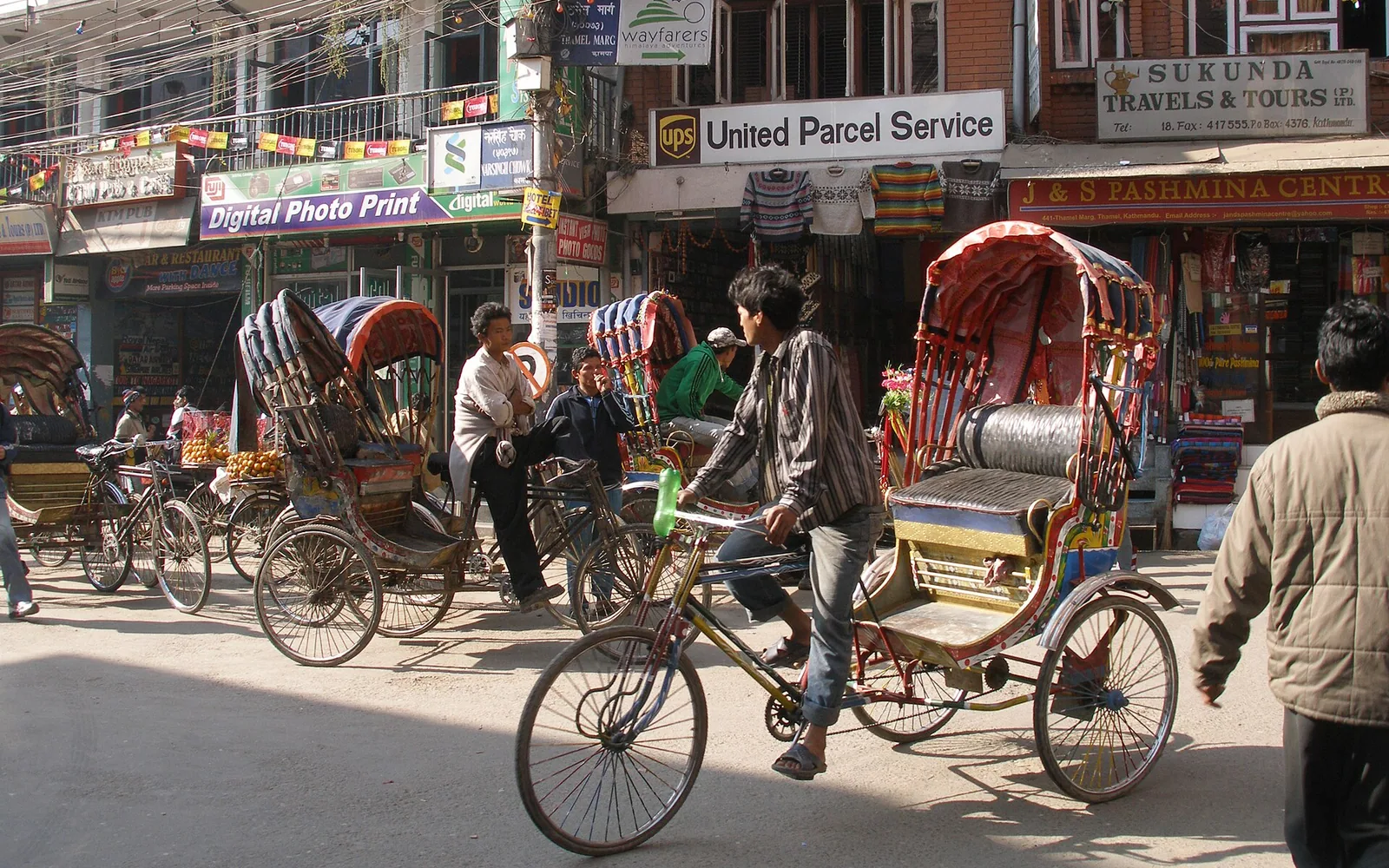
If you have been putting off a trip because of something you half-read, this is the short version: the country is open, the airport is busy, and the season is running as it always does.
What "open" actually looks like
Tribhuvan International Airport takes scheduled flights every day. Hotels and guesthouses are taking bookings. The trekking agencies in Thamel are issuing permits, the tea houses on the main routes are serving dal bhat, and the monument zones around the valley are open to visitors on the usual ticket.
Headlines travel further than corrections do. A disruption in one district gets reported as a country; a road closed for a week gets remembered for a year. Nepal is roughly the size of England and Wales together, with terrain that separates one region from another far more than a map suggests. What happens in one valley very often has no bearing on the next.
How to check for yourself
Rather than taking anyone's word for it:
- Read your own government's travel advice, which is specific about regions and usually dated.
- Check the Nepal Tourism Board for current entry requirements and festival dates.
- Ask your trekking operator directly about the route you want, not about "Nepal".
That is three links and ten minutes, and it will tell you more than any amount of scrolling.
Start in the valley
Most trips begin with a few nights in Kathmandu or Lalitpur before the hills — adjusting to the altitude, sorting permits, buying the thing you forgot to pack. That first stay is the part we look after. A flat in a residential neighbourhood, with a kitchen and a door that locks, tends to beat a room on a hotel corridor when you are jet-lagged and have an early start.
Come and see it. Then tell people what you actually found.
Photo: Kathmandu, Nepal, Thamel streets by Vyacheslav Argenberg, CC BY 4.0, via Wikimedia Commons.
